Teeth Cleaning

Professional Teeth Cleaning in Bali: Scale and Polish

A professional clean removes hardened tartar and surface stains that brushing cannot. This page explains what a scale and polish includes, how it feels, how long it takes, when a deeper clean below the gumline is needed and why it is often paired with a check-up.

In pain? Mark your request as urgent.

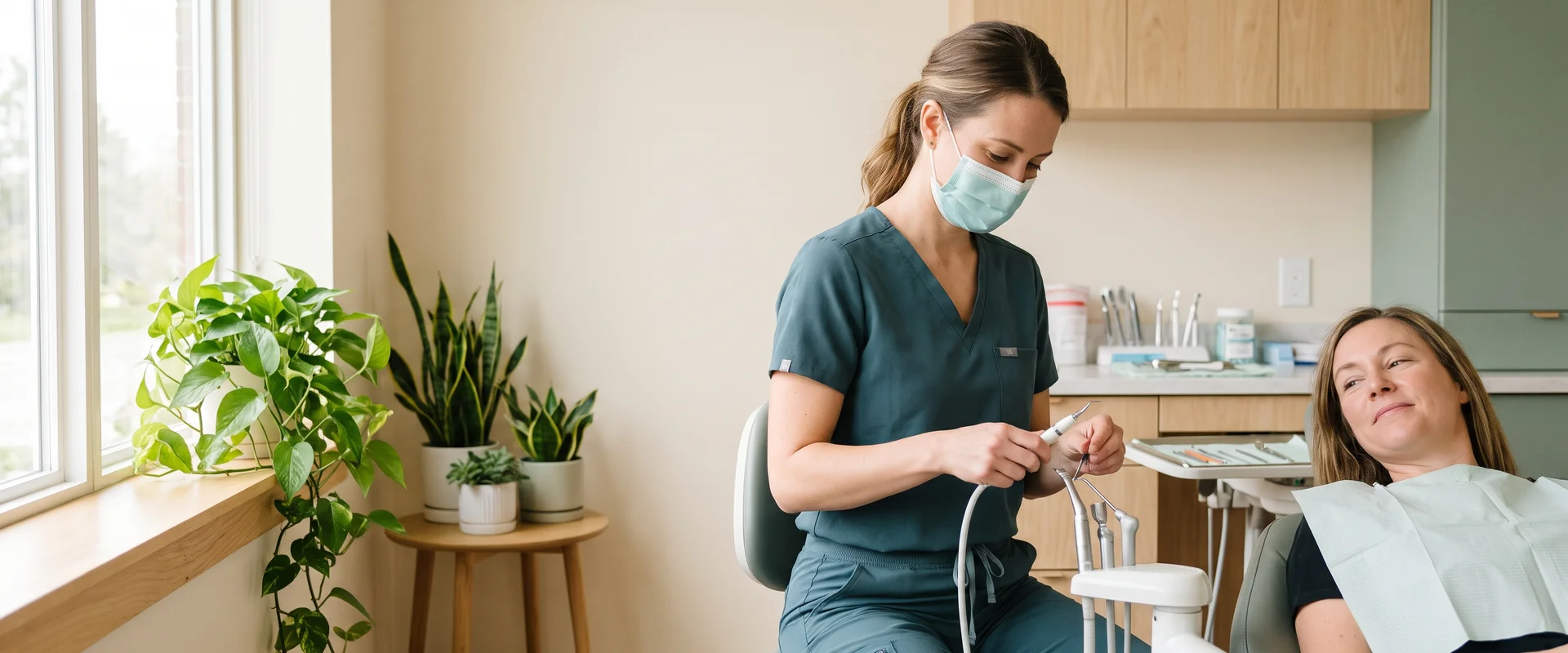
Dental hygienist preparing for a professional scale and polish with a relaxed patient
  • Clear, plain-English treatment information
  • Online appointment request form
  • Guides for visitors: flying, insurance and treatment timelines

What Is Professional Teeth Cleaning?

Professional teeth cleaning, often called a scale and polish, removes the plaque and tartar that your toothbrush can’t. Plaque is the soft, sticky film of bacteria that forms on teeth every day. When it isn’t removed, it hardens into tartar (dental calculus), which only a dentist or hygienist can take off.

Tartar sits along the gumline and between the teeth. It irritates the gums, makes them bleed and gives bacteria a place to hide. Over time this can lead from gingivitis, which is reversible, to periodontitis, where the support around the teeth starts to break down.

A regular clean keeps your gums healthy, freshens your breath and makes it easier to keep your teeth clean at home. It’s one of the simplest things you can do for your long-term dental health.

Who Is It For?

  • Anyone who hasn’t had a professional clean in the last 6-12 months
  • People whose gums bleed when brushing or flossing
  • Coffee, tea and red wine drinkers who want to lift surface stains
  • Long-stay visitors and nomads, such as those based in Canggu, who want to stay on schedule while away
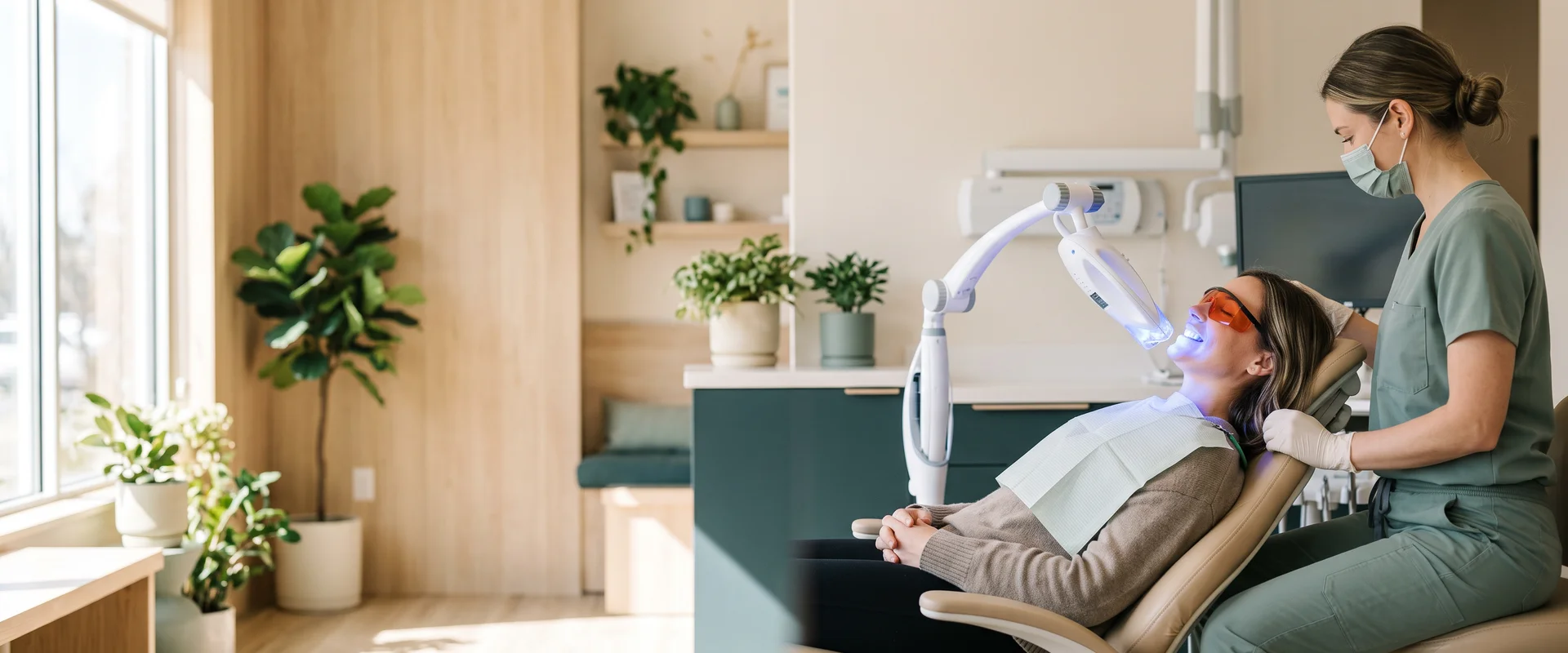
  • Anyone planning teeth whitening, which works best on clean teeth

What Happens During a Scale and Polish?

The visit starts with a quick check of your gums and teeth. Then an ultrasonic scaler, a small instrument that vibrates and sprays water, breaks up tartar so it can be rinsed away. Hand instruments are used for areas the scaler can’t reach.

Next comes polishing. A soft rubber cup with prophylaxis paste, or a fine jet of air polishing powder, removes surface stains and smooths the enamel. Finally, you may be offered a fluoride varnish to protect sensitive or decay-prone teeth.

Tip for visitors

If you’re also due a check-up, ask for both in one appointment. It saves a second trip across Bali traffic.

When a Deeper Clean Is Needed

If the dentist finds deep periodontal pockets, a routine clean isn’t enough. A deeper clean treats the root surfaces below the gumline, usually under local anaesthetic, and may be split over two or more visits. You’ll then need follow-up checks to make sure the gums are settling.

Routine scale and polishDeeper periodontal clean
Usually suitsHealthy gums or early gingivitisGum disease with deep pockets (periodontitis)
Area cleanedTooth surfaces at and just below the gumlineRoot surfaces deeper below the gumline
AnaestheticNot usually neededUsually local anaesthetic
Visits1Often 2 or more, plus follow-up checks

Looking After Your Teeth Afterwards

  • Brush twice a day with a fluoride toothpaste for two minutes
  • Clean between your teeth daily with floss or interdental brushes
  • Limit sugary drinks, including fresh juices and iced coffees
  • Book your next clean for the interval your dentist suggests

Healthy gums after a clean should look pink and firm and shouldn’t bleed when you brush. If they still bleed after a couple of weeks of good cleaning, mention it at your next visit.

Common reasons

When Might You Need Teeth Cleaning?

Bleeding or puffy gums

This is usually gingivitis, an early and reversible gum inflammation caused by plaque. A clean plus better daily care often settles it within a few weeks.

Bad breath that won't go away

Halitosis is often caused by bacteria around tartar and under the gumline. Cleaning removes much of the cause.

Coffee, tea or smoking stains

Surface (extrinsic) stains respond well to polishing. Deeper discolouration may need whitening, which is a separate treatment.

Gums that look like they're shrinking

Receding gums or deep pockets can be signs of periodontitis. This needs a deeper clean and regular follow-up to stop it getting worse.

Step by step

How Does Teeth Cleaning Work?

What usually happens from your request to the end of treatment. The dentist will explain anything specific to your case.

  1. Step 1: Gum and mouth check

    Your gums are checked for bleeding and pockets, and the dentist or hygienist looks for anything that needs a closer look before cleaning starts.

  2. Step 2: Scaling

    An ultrasonic scaler uses gentle vibration and a water spray to break up hardened tartar (dental calculus). Fine hand instruments finish the tricky spots.

  3. Step 3: Polishing

    A soft rubber cup and prophylaxis paste, or air polishing, removes surface stains and leaves the teeth smooth so plaque sticks less.

  4. Step 4: Fluoride and advice

    A fluoride varnish may be suggested for sensitive or decay-prone teeth. You'll get simple tips for brushing and cleaning between your teeth.

What to expect

Teeth Cleaning: A Visual Walkthrough

1. A quick gum check comes first.
2. Tartar is removed with an ultrasonic scaler.
3. Polishing lifts coffee and tea stains.
4. You get home-care tips for your teeth.

Illustrative images. Genuine clinic photographs will be added once the practice is verified.

Cost

How Much Does Teeth Cleaning Cost in Bali?

Prices aren't published yet. The cost of teeth cleaning depends on the factors below, and you'll receive an itemised quote before any treatment begins.

Ask for a written, itemised quote in IDR before treatment starts, and keep the final invoice and treatment notes if you plan to claim on insurance.

No prices are published until the clinic confirms them. Ask whether a check-up is included.

How Much Does Teeth Cleaning Cost in Bali?
What affects the price Why it matters
Routine vs deep clean A routine scale and polish cleans above the gumline. A deep clean treats pockets below the gumline and can take more than one visit.
Amount of tartar Heavy build-up after a long gap between cleans takes longer to remove.
Combined check-up Adding an examination and any X-rays in the same visit is usually priced separately but saves a trip.
Extras Air polishing for stubborn stains or a fluoride varnish for sensitive teeth may be offered as add-ons.
Questions

Teeth Cleaning FAQs

What does a scale and polish include?

A scale and polish removes plaque and hardened tartar from your teeth, usually with an ultrasonic scaler and fine hand instruments, then polishes the surfaces to remove stains. It usually includes a quick gum check and advice on cleaning at home.

How long does a teeth cleaning take?

A routine clean often takes around 30-45 minutes. If there's a lot of tartar, or you need a deeper clean below the gumline, it may take longer or be split into more than one visit.

Does professional teeth cleaning hurt?

Most people feel vibration, water spray and some scraping, but not pain. If your gums are inflamed or your teeth are sensitive, it can feel uncomfortable in places. Tell the dentist or hygienist; they can slow down, adjust the scaler or use a numbing gel.

How often should I have my teeth cleaned?

Many people do well with a professional clean every 6-12 months. If you build up tartar quickly, smoke, have diabetes or have had gum disease, more frequent cleans may be recommended.

What is the difference between a normal clean and a deep clean?

A normal clean (prophylaxis) removes plaque and tartar above and just below the gumline. A deep clean, sometimes called root surface debridement, treats deeper periodontal pockets where gum disease has caused the gum to pull away from the tooth. It is more thorough, often done with local anaesthetic, and may need more than one appointment.

Will cleaning make my teeth whiter?

Cleaning removes surface stains from coffee, tea, red wine and smoking, so teeth often look brighter afterwards. It doesn't change the natural shade of your teeth. If you want them lighter, professional whitening is the next step and works best on freshly cleaned teeth.

Can I have a teeth cleaning while on holiday in Bali?

Yes. A clean is usually a single visit, so it fits easily into a trip. Many visitors combine it with a check-up. Avoid booking it right before an important event in case your gums are a little tender for a day.

My gums bleed after a cleaning. Is that normal?

Slight bleeding for a day is common, especially if your gums were inflamed. Keep brushing gently and cleaning between your teeth. If bleeding is heavy or lasts more than a few days, contact the clinic.

Areas We Serve

Patients Travelling from Across Bali

Patients come to the clinic for teeth cleaning from Canggu, Denpasar, Ubud, Seminyak & Legian, Kuta & Sunset Road and Sanur. Each area page covers realistic travel times, local logistics and the dental questions people there ask most.

Teeth Cleaning is one of the treatments patients from Canggu, Denpasar and Ubud ask about most. All treatment takes place at the clinic itself, not at your accommodation.

Keep reading
Ready when you are

Ready to Ask About Teeth Cleaning?

Tell the clinic what you need and when you're free. It will contact you to confirm your teeth cleaning appointment.

In pain? Mark your request as urgent.